Mediation — Across Alabama

Take control of your dispute & resolution.

The mediation process in Alabama allows the disputing parties—under the guidance of a neutral third party—to play an active role in determining the outcome of your case. If you’re interested in learning more about whether mediation works for you, contact Sewell Sewell Beard LLC today.

The Mediation Process in Alabama

Mediation allows disputing parties to come together to negotiate a resolution. While a judge or jury issues a ruling at the end of litigation, mediation leaves the outcome in the hands of the parties themselves. The mediator serves as an independent guide, encouraging the parties to communicate clearly and productively with one another. However, the mediator does not influence the resolution in any way; rather, they facilitate the discussions necessary to reach an agreement. Once the parties arrive at an agreement, they commit it to writing and sign it. It is better to do justice to yourself than to have it done to you.

The Benefits of Mediation

There are several benefits to mediation, especially when the parties approach the process with an open mind and a willingness to negotiate. In general, mediation takes much less time to conclude, which also keeps costs down. Additionally, the mediation process is entirely private and confidential; the law requires that the mediator and both parties keep these proceedings and their content confidential. Most importantly, mediation invites active participation, allowing the parties to feel more empowered and satisfied with the eventual outcome.

Our Mediation Space

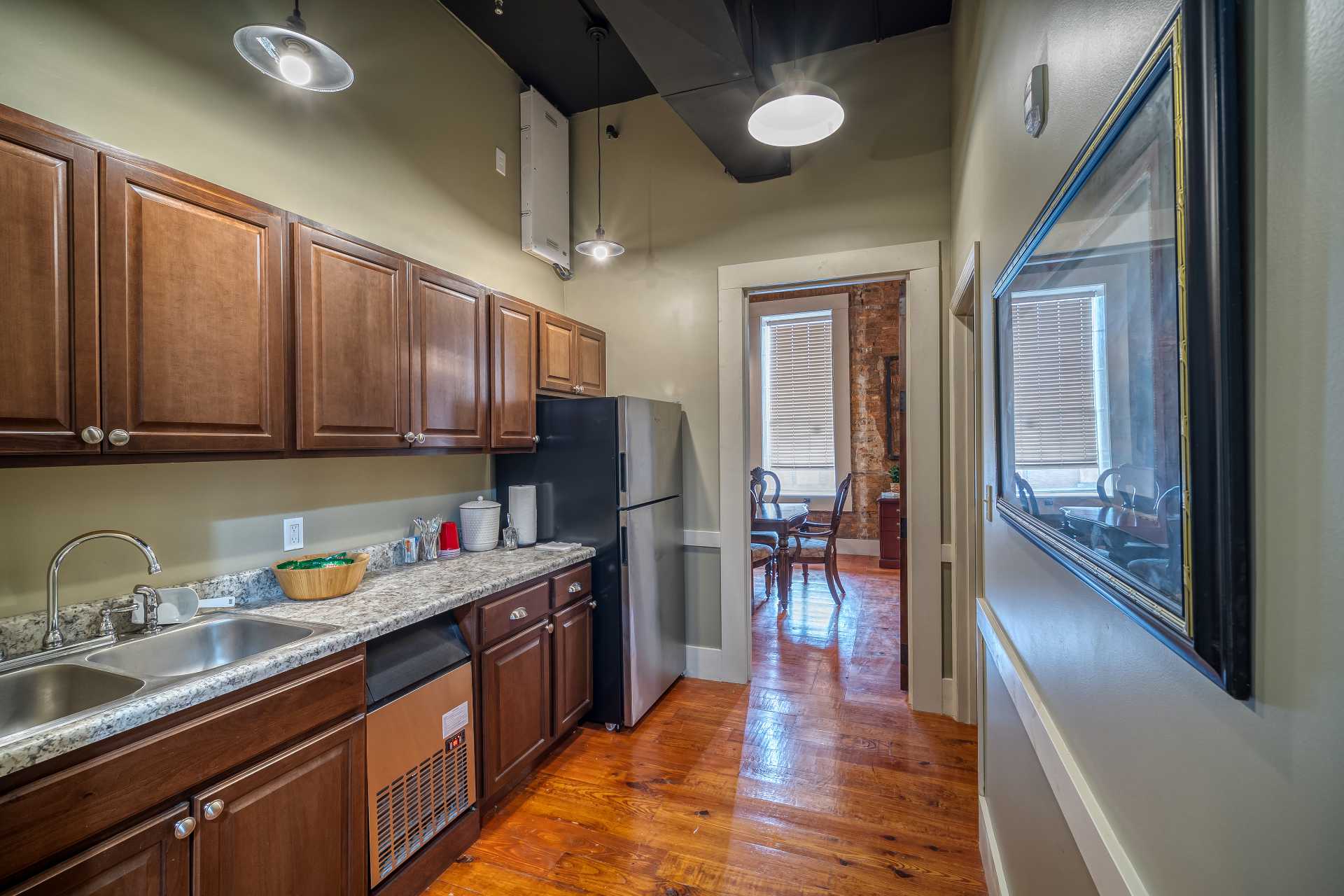
Located in historic downtown Jasper, our mediation center is a state-of-the-art facility that features virtual and in-person mediation, a private attorney workspace, separate suites for each party, and complimentary snacks and refreshments.

Our mediation space includes two fully independent conference areas, each with its own kitchenette and restroom. These spaces are designed to provide attorneys participating in mediation with the ability to step away from their client to field calls, respond to emails, or accomplish other tasks in private. We invite attorneys to consider using our newly designed, convenient, and efficient space for upcoming mediations.


Meet Our Mediators

Jeffrey M. Sewell has extensive experience in disputes involving civil litigation, commercial transactions, eminent domain, environmental issues, local government, and employment law.

Doris K. Sewell has extensive experience in disputes involving real estate, contracts, labor law, aviation, and defense contracting mediation.

Learn More About Mediation Today

Many legal disputes can benefit from mediation, including real estate, business, product liability, contracts, and other issues. If you are currently facing a legal issue, reach out to the dedicated and friendly team at Sewell Sewell Beard LLC today to discuss your situation. Together, we’ll determine the best course of action to help you obtain your desired outcome.

FAQs

Condemnation refers to the legal process by which a government entity can exercise its eminent domain authority to seize private property for public use. Condemnation proceedings follow a series of distinct steps, from providing the landowner with written notice of the eminent domain action to negotiating compensation for the taking of the privately owned property.

The party wishing to invoke its eminent domain power initiates the condemnation process. For instance, the Department of Transportation can initiate condemnation proceedings against a private property owner in order to take the land and use it to construct a new highway (which meets the public use requirement). Condemnation proceedings usually begin after negotiations with the property owner have failed.

In order for a government entity to exercise its eminent domain power, the proposed project must benefit the public in some way. Common examples of projects that can fulfill the public use requirement include the construction of new roadways, public transit lines, state parks, public schools and libraries, and other proposals that will benefit the community.

Yes, private property owners have many rights during the condemnation process. Most condemning authorities will provide an initial offer that does not take into account the full value of your property. It’s essential to recognize that you have the right to negotiate a fairer and more just amount of compensation in exchange for your land. If these negotiations are not successful, the matter can move to court, where you will have the chance to present your arguments to a jury.

If the matter moves to probate court and you are not satisfied with the judge’s determination, you can still appeal your case to a trial court. This allows you to make your case before a jury, who will then decide the amount of compensation you should receive. Whether you have just received a condemnation letter or you are preparing to appear in probate court, partnering with a highly experienced and caring condemnation attorney will give you the confidence and firepower you need as you move forward.

Commercial real estate refers to property that the buyer intends to use for commercial purposes. For instance, the commercial property owner may use the real estate for retail businesses, industrial purposes, office space, or agricultural endeavors. It’s worth noting that since the purpose of these properties is for commercial use, the land needs to be zoned to accommodate commercial uses.

The purchase and sale agreement is a legally binding contract that guides the commercial real estate transaction. These documents are often customized to address the specific considerations of the transaction, but they generally include a few key elements: The purchase price, the scope and timeline of the due diligence period, the payment terms, the conditions that govern how and when the parties may exit the contract, warranties provided by the seller regarding the property, and the handling of closing costs.

Due diligence refers to the period during a commercial real estate transaction where the buyer has the opportunity to fully examine the property’s physical, legal, financial, and environmental status to ensure that the property remains a sound investment. The due diligence period usually lasts between 30 and 90 days, beginning from the signing of the purchase agreement. If you have questions about what to look for during the due diligence period, give us a call to learn more.

In most cases, both the buyer and seller cover a portion of the closing costs. The buyer usually covers closing costs associated with due diligence fees, financing costs, title insurance, and recording fees. The seller’s closing costs often include brokerage commissions, transfer taxes, and any costs associated with clearing the title (i.e., clearing existing liens, paying off mortgages, or handling retroactive property taxes).

Although you are not legally required to hire a commercial real estate lawyer to buy or sell property, doing so is highly recommended. Commercial real estate transactions usually involve significant investments and a fair amount of risk, so many people feel more confident with an experienced legal advocate by their side. At Sewell Sewell Beard LLC, our team of skilled and knowledgeable commercial real estate attorneys is ready to provide you with the exceptional guidance you need to make informed decisions while eliminating mistakes and risks.

Get Started

Contact us today if you have a potential Mediation case.

"*" indicates required fields

This field is for validation purposes and should be left unchanged.
Name*

Learn more about whether mediation is right for you by calling the experienced Alabama legal team at Sewell Sewell Beard LLC today at (205) 544-2350.