


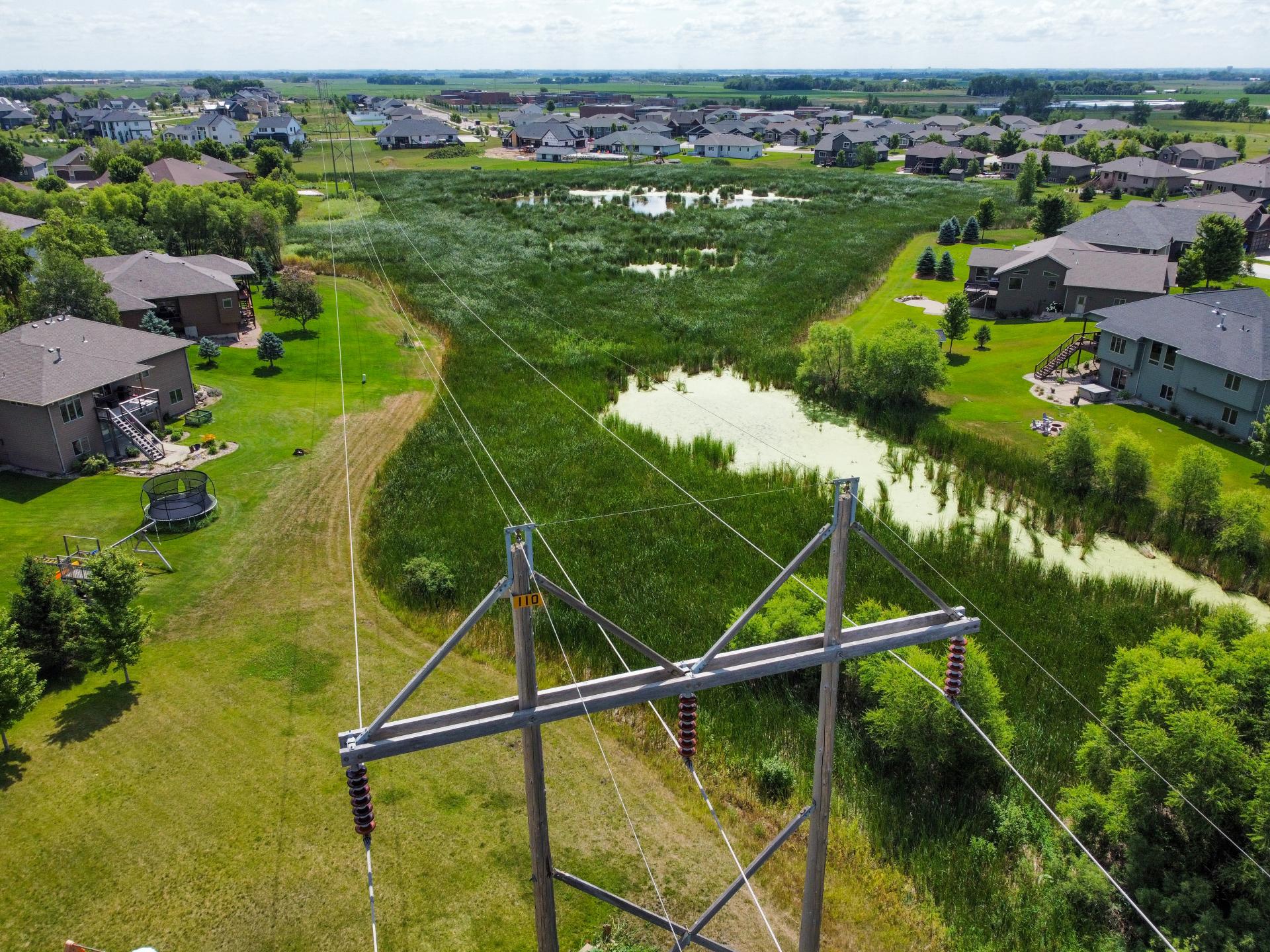
Property owners facing eminent domain property access issues in Texas may not know exactly how to navigate this or what to expect. A common example of this is if eminent domain is limiting access to your property, causing property value problems.
Any time a property owner runs into problems with eminent domain, they should get the help of an eminent domain attorney in Texas. An attorney can help you understand what eminent domain loss of access means and what your rights are as a Texas landowner.
Keep reading to find out how eminent domain can impact property access and value and the legal steps you can take to resolve this issue.
How Eminent Domain Projects Can Affect Property Access in Texas
First, eminent domain is the legal power that the government has to take private property for public use by way of compensation. An example of this is if a utility provider needs to take a portion of your property so that it can provide utility services for its customers.
However, just because you’re receiving compensation for one area of your property doesn’t mean that eminent domain projects won’t impact the rest of your property. A common example of this is loss of access or limited access during and after the project.
The ways that an eminent domain project will affect your property access will vary significantly according to the situation. But here are some common examples of when this can happen:
- Driveway relocation or closure
- Road conversions
- Land locking
- Merged access points
- Medians and traffic barriers
- Elevation changes
- Road widening
Loss of Access vs. Changes in Convenience
Texas condemnation and eminent domain law provides provisions for property owners, depending on the situation and their losses. Two examples of this include loss of access vs changes in convenience, both of which can occur during eminent domain projects.
Here is a breakdown of what these distinctions mean and why they aren’t necessarily the same thing:
- Loss of access: The definition of this is when a partial taking or public project substantially restricts, blocks, or destroys physical access points. Depending on the loss of access, this can negatively impact the property value, making this loss compensable. Loss of access is also handled under the remainder damages or severance damages included in Texas partial takings.
- Changes in convenience: The definition of this is when the partial taking or public project creates inconveniences, such as redirected traffic flow, increased congestion, etc. Changes in convenience typically don’t negatively impact the property’s value and usually aren’t compensable if you can still reasonably access the property.
Understanding and identifying these distinctions is important if you’re trying to address issues with an eminent domain project or wish to receive compensation.
How Reduced Access Can Affect Property Use
Experiencing limited access to your property in Texas due to eminent domain isn’t just about being inconvenienced. In many situations, this can directly alter how you can use the property.
Here are some examples of how reduced access can impact property use, which can have a domino effect for property owners:
- Limited customer access to commercial properties.
- Reduced curb appeal.
- Limited delivery and loading access.
- Access limitations for farm and ranch equipment.
- Limited access for emergency services.
- Reduced future developmental opportunities.
What Texas Property Owners Can Do
The State of Texas Landowners Bill of Rights provides certain protections for property owners, ensuring you get just compensation for losses and damages. However, keep in mind that you can’t simply say that you have limited access to your property or that it’s damaged your property’s value. You will need to hire a Texas eminent domain attorney and begin gathering documentation to prove this.
Keep thorough documentation of everything, including appraisals, contact records, emails, maps, photos, and videos. You should also keep a log of functional impacts, such as daily disruptions to your property’s business operations, customer flow or personal use.
It’s also important to identify any concerns with limited access before project plans and acquisition terms are legally finalized. You can do this with the help of your attorney by reviewing the condemning authority’s plans to identify things like driveway closures, roadway plans, and temporary vs permanent access changes.
Depending on the project plans, you may also be able to negotiate on access issues as a way of addressing them in an amicable way.
FAQs
Can the government block access to my Texas property through eminent domain?
Possibly, depending on the situation. However, the eminent domain or public work project will need to meet constitutional and statutory requirements, and you may receive compensation for loss of or material interference with access.
Am I entitled to compensation if a road project changes my driveway?
Sometimes, but you must keep in mind that not all access modifications due to eminent domain are compensable. This depends on various factors, one of which is whether or not the changes have negatively impacted your property’s value.
Can I negotiate where my new driveway will be located?
Negotiating during the acquisition process may be possible with the help of an attorney. It’s important that you try to address any aspects of the project plan that you aren’t happy with before everything is signed and the project officially begins.
Should I accept the condemning authority’s appraisal if it does not address access?
Not usually. It’s recommended that you do not immediately accept the condemning authority’s appraisal if it leaves out any important details, such as driveways, access issues, curb cuts, etc. Instead, you should get a second opinion by way of an independent condemnation appraisal. Your attorney will help you locate an experienced condemnation appraiser.
Get the Help of a Texas Property Rights Lawyer Today
It can be difficult to navigate situations where eminent domain limits access to your property, especially if you don’t know what your rights are as a Texas property owner. That’s why it’s always best to work with a condemnation lawyer in Texas who will help you protect your rights and your property. Contact us today at Sewell Sewell Beard LLC by calling us directly at 972-777-5390 to discuss your situation with one of our Texas property rights attorneys. We’ve been doing this for more than 40 years!